Ship Simulators
A ship simulator is an advanced training device; an electronic or mechanical system used to expose vessel operators and crew members to typical shipboard conditions and systems. Simulation training is not a substitute for the experience of training on an actual vessel, but is used as a preliminary method to thoroughly familiarize students with equipment, procedures, and processes. Simulation also is useful for review and for demonstrating updates and modifications to existing craft.

Liberia Opens Maritime Training Institute
The Liberia Maritime Training Institute (LMTI) was officially opened by Liberia President…

Wallem Adds Three Ship Simulators in Ukraine
The Wallem Maritime Training Center in Odessa, Ukraine added three training simulators…

PC Maritime to Install ECDIS in 50-vessel China Shipping Deal
PC Maritime’s Navmaster ECDIS has been chosen by China Shipping Group to be fitted…
MSI to Train NOAA Officers
Maritime Simulation Institute to Provide Professional Maritime Training to NOAA Officers…
HR Wallingford Sign Navigation Simulator Agreement with FMSC
HR Wallingford has recently signed an alliance agreement with Fremantle Maritime…
Cal Maritime Will Host 2012 Koch Sea Scout Cup
The California Maritime Academy (Cal Maritime), a campus of The California State University…
Panama Canal Authority Opens Simulator Center
In commemoration of the Panama Canal’s 88th Anniversary on August 15th, Panama President…
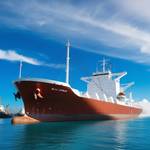
Bulk carriers are vessels that transport bulk cargo, such as coal, ore and cement. Bulk carriers play an important role in the global trade, facilitating the transportation of large quantities essential raw materials for different industries.
Contracts between vessel owners and charterers concerning the water transportation of goods are technically known in admiralty law as "contracts of affreightment". The charterer agrees to pay a freight charge for cargo space. The voyage, amount of cargo space…
All ships need maintenance and repairs. Many repair and maintanance operations can be performed at sea or by the crew in port. Complicated or large-scale repairs might require the ship to be removed from commercial operation. Classification…
A port authority operates ports and other transportation infrastructure for a special-purpose district. Whether operated directly by the government or in cooperation with government agencies, North American port authorities are public entities and are governed by a board or commission.
Navy Welcomes 17th Master Chief Petty Officer of the Navy, John PerrymanThe U.S. Navy officially welcomed John Perryman as its 17th Master Chief Petty Officer of the Navy (MCPON), the highest enlisted position. The ceremony held at the United States Navy Memorial in Washington…