

Oil Prices Rise As US-Iran Fighting Continues
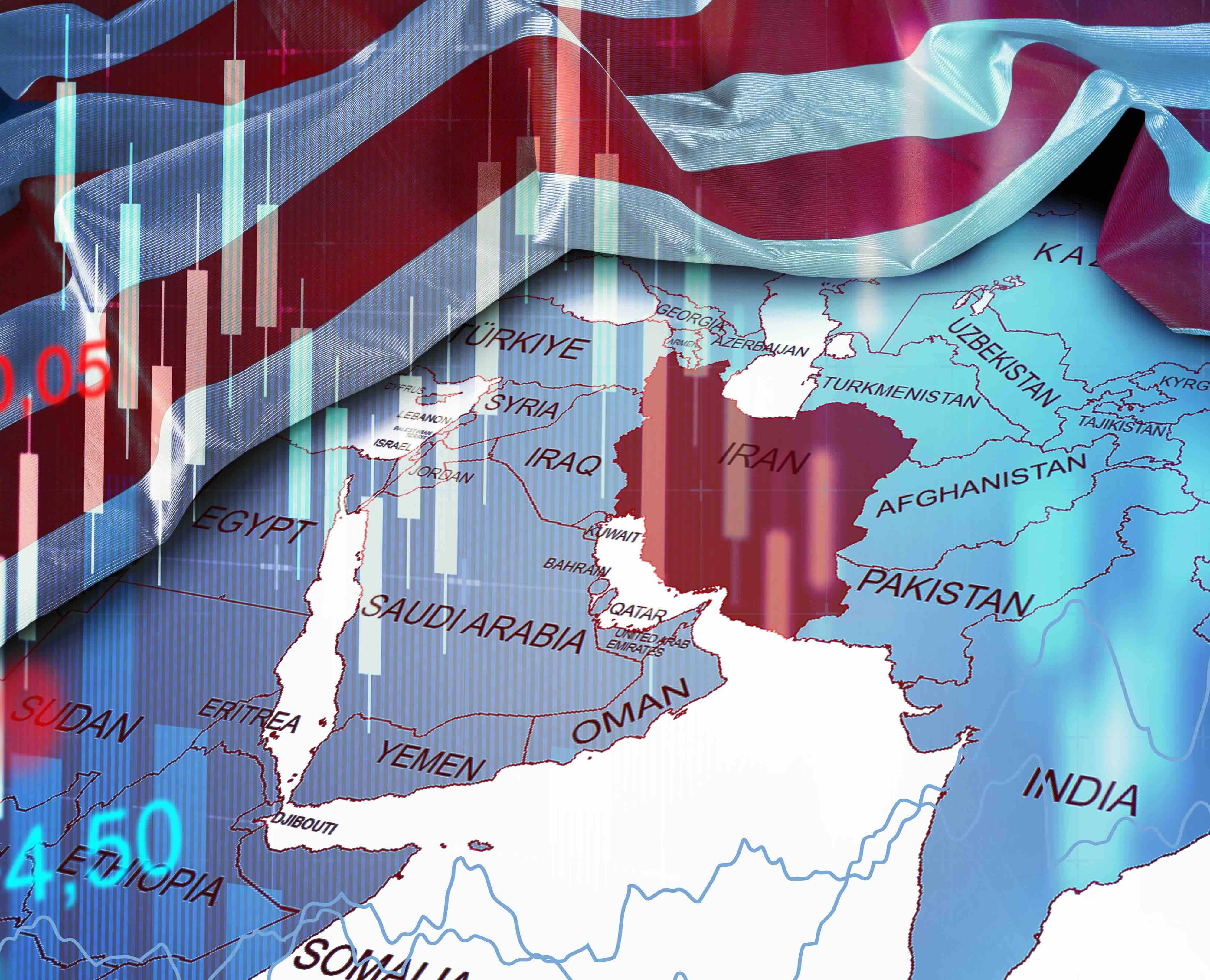
Brent crude futures jumped as much as 3% on Friday, a day after the U.S. and Iran traded air strikes, with traders fretting over the future of the cease-fire and shipping in the Strait of Hormuz.
Brent crude futures was at $101.47 a barrel, up $1.41 or 1.41% by 10:51 CDT (1551 GMT), after rising as much as 3% earlier in the session. U.S. West Texas Intermediate (WTI) futures was at $95.71 a barrel, up 90 cents, or 0.95%.
Both contracts were still set for weekly declines of more than 6%.
"We're still playing the headline-o-rama game," said Phil Flynn, senior analyst with Price Futures Group. "Ship movement in the Persian Gulf is going about as well as can be expected. We're kind of working around the edges."
U.S. and Iranian forces clashed in the Gulf, and the UAE came under renewed attack as Washington awaited a response from Tehran to its proposal to end the conflict, which began with joint U.S.-Israeli airstrikes across Iran on February 28.
U.S. President Donald Trump later told reporters the ceasefire was still in effect and sought to play down the exchange.
"How quickly can supply be returned from Gulf states, what will the state of inventories be as we approach peak gasoline season, and what sanctions would look like post-settlement are all worthy of thought. But none can be addressed until there is a long-term solution to hostilities," said PVM Oil Associates analyst John Evans.
"The U.S. administration continues to oversell the prospects of a thaw, and an optimism-biased market buys into it," said Vandana Hari, founder of oil market analysis firm Vanda Insights.
"Curiously, each time, the rebound is gradual and incomplete, making the head fakes at least somewhat effective."
Meanwhile, the U.S. Commodity Futures Trading Commission is investigating oil price trades totalling $7 billion placed shortly ahead of key Iran war-related announcements by Trump, Reuters reported on Thursday.
Most involved short positions, or bets on prices falling, placed on the Intercontinental Exchange (ICE) and Chicago Mercantile Exchange (CME) and were placed shortly before Trump statements announcing attack delays, the ceasefire or other changes to Iran policy that led to a decline in oil markets.
(Reuters)